
Melbourne Zoo in Parkville is Australia’s oldest zoo and still its most visited, and for families with kids it remains one of the most reliably excellent days out in the city. More than 320 species across a compact, walkable site — big enough to fill a full day but not so sprawling that you’re covering kilometres between highlights. It’s the kind of place that works across a wide age range, from toddlers who are transfixed by the free-roaming kangaroos to older kids who want to spend twenty minutes watching the gorillas.
This guide covers what to see, what to skip, what to know before you arrive and what the visit actually feels like with kids in tow — including the one thing a lot of families don’t find out until they get there.

Melbourne Zoo: Practical info at a glance
Address: Elliott Ave, Parkville VIC 3052 Open: 9am–5pm daily, 365 days a year including Christmas Day. Animal habitats close at 4:30pm. Last entry 3:30pm.
Getting there: Tram 58 from William Street in the CBD stops directly outside the zoo at Stop 26 — around 15 minutes from the city. The Upfield train line stops at Royal Park Station, which is a 5-minute walk to the zoo entrance.
Parking: Melbourne City Council parking on-site at $2 per hour. Free parking is available in Royal Park nearby if you’re willing to walk a few minutes.
Entry: Adults approximately $54.50. Children 4–15 $28.50 on weekdays. Children under 4 always free. Children under 16 free on weekends, Victorian school holidays and public holidays (see tips below). Book online — the zoo recommends it and walk-ins are card only.
On until 4 October: Dinos At The Zoo: Melbourne, Werribee + Healesville Zoos

Top reasons to visit Melbourne Zoo with kids
1. You can get surprisingly close to the animals
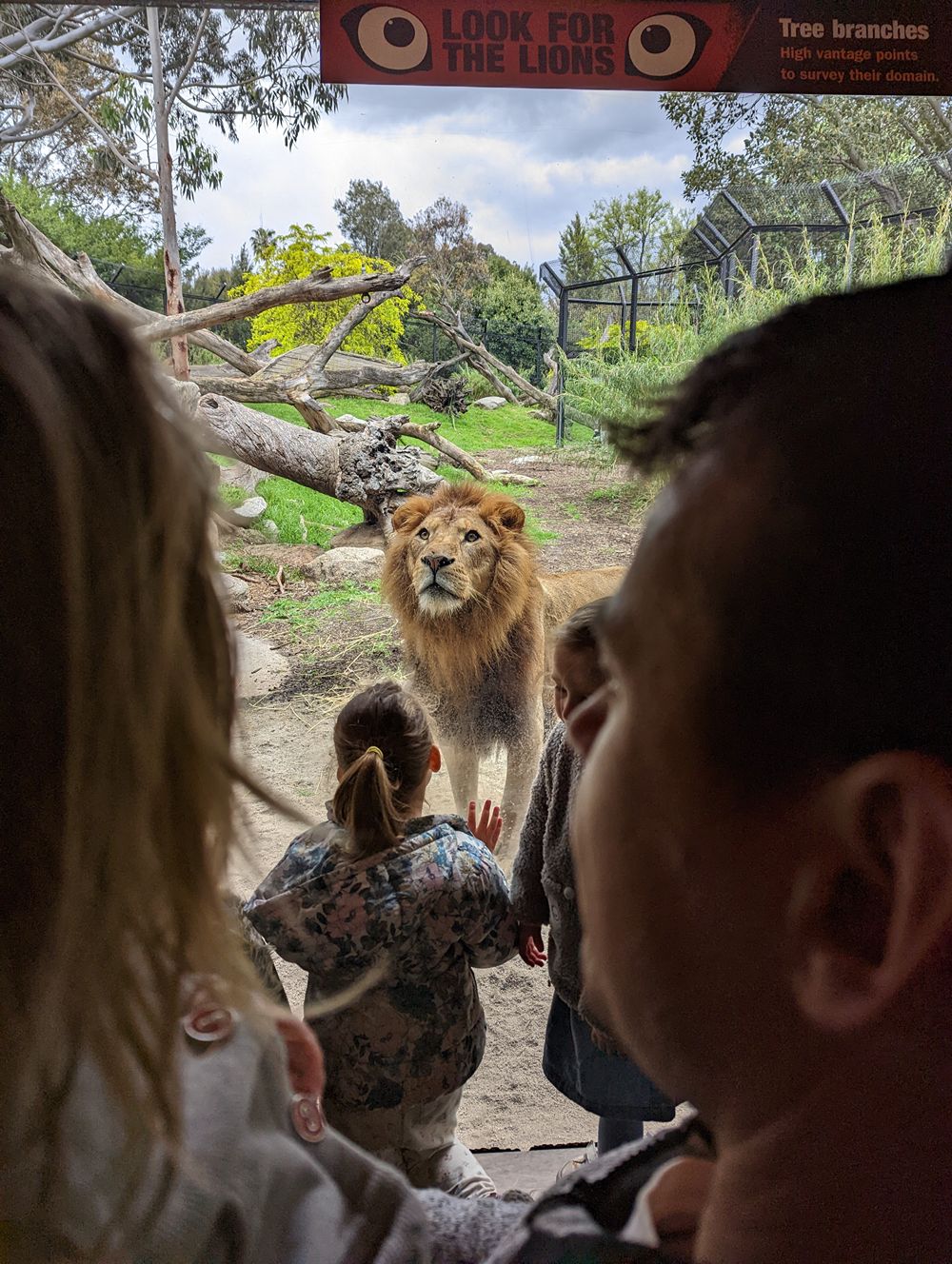
Melbourne Zoo’s enclosure design lets visitors get genuinely close to animals in a way that surprises first-timers. The Lemur Island walk-through puts you in the same space as ring-tailed lemurs, on boardwalks that take you through their territory rather than around it.
The elevated boardwalk at the Orangutan Sanctuary lets you watch the orangutans at eye level as they move through their treetop home. At Lion Gorge, you come face-to-face with African lions and African wild dogs across carefully designed sightlines, and the broader Carnivores Trail connects the zone’s predator exhibits in a sequence that builds well for older kids.
The gorilla viewing area, the penguin colony and the butterfly house all have the same quality — they feel designed to give you an actual encounter rather than a distant sighting.
2. Kids under 16 get in free on weekends
On any weekend, Victorian school holiday or public holiday, children under 16 enter free. A family of two adults and two children pays around $84 on a Saturday — compared with over $125 on a weekday.
This is one of the best family-price deals in Melbourne and the single most useful thing to know when you’re planning the visit.

3. There are spaces built specifically for younger kids
The zoo has invested properly in its youngest visitors. Keeper Kids is a playspace for ages 0–5 where Early Childhood Educators run free daily activities — storytelling, craft and play — during school term on weekdays.
No booking is required. Growing Wild is a dedicated interactive play area for ages 3–8, with tunnels to burrow through, climbing structures and meerkats alongside the play elements. Both sit well clear of the main animal circuit, so you’re not choosing between the gorillas and the play areas — you can do both.
Things to Do at Melbourne’s Zoos with Under 5s
4. The animal talks are free
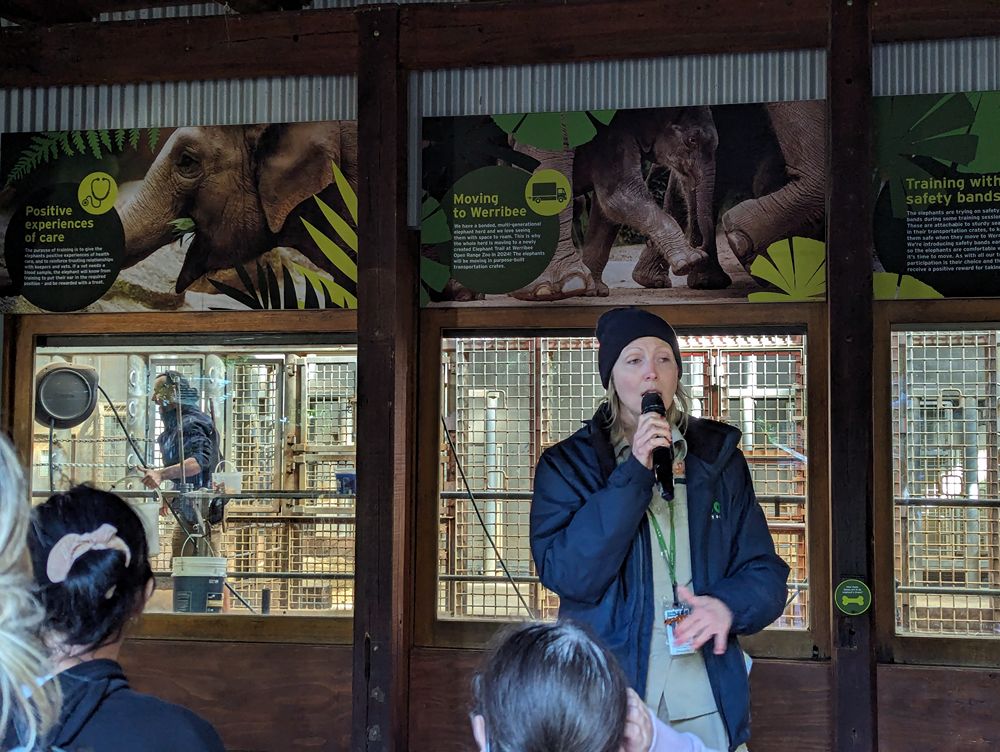
Zookeeper talks and feeding sessions run throughout the day and are included with your entry — no extra cost, no separate booking.
These are some of the best moments at the zoo for older kids, who tend to get a lot more from watching a keeper explain something about a tiger or a penguin than from reading a sign.
Pick up the day’s talk schedule at the entrance and build the morning around two or three that work for the ages in your group.
5. It’s manageable in a half-day if you need it to be
Melbourne Zoo is large enough to fill a full day if you want — but compact enough that a focused morning hits all the major highlights without anyone falling apart by 2pm.
The site covers a lot of ground but it’s well signposted and the layout is logical. A focused half-day starting at 9am can cover the Butterfly House, the gorillas, the orangutans, the Australian Bush and Growing Wild without anyone feeling rushed.
6. It’s right next to Royal Park Nature Play
The Royal Park Nature Play playground sits directly outside Melbourne Zoo’s eastern boundary, which makes it the easiest possible add-on to a zoo visit.
If you have under-5s who have hit their limit and older kids who still have energy to burn, splitting the group between the playground and one more loop through the zoo is straightforward.
It also works as a landing spot for a packed lunch before or after entry.
Royal Park Nature Play Parkville

What not to miss
7. Butterfly House (Forest of Wonder)
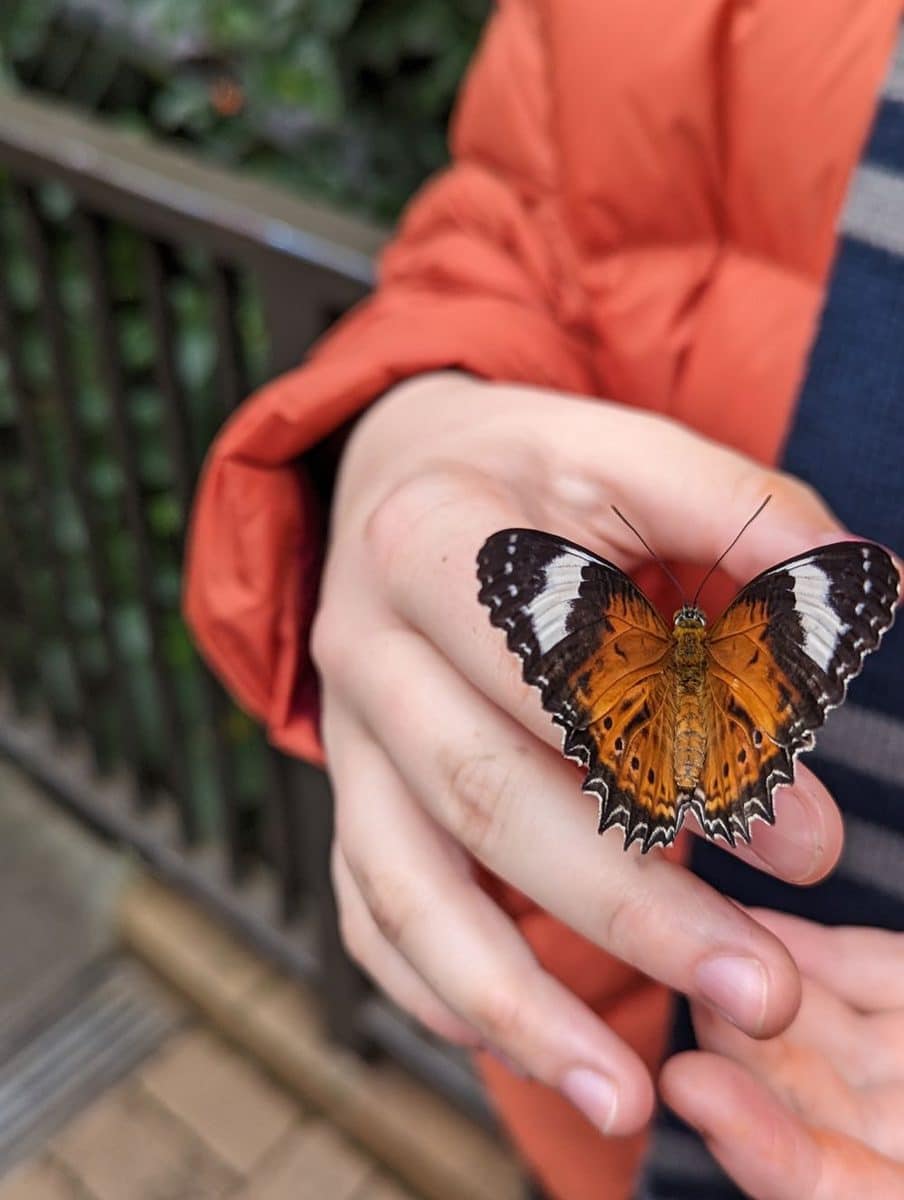
The Butterfly House is consistently the most-loved exhibit at Melbourne Zoo and one of the few experiences at any zoo that genuinely stops adults in their tracks.
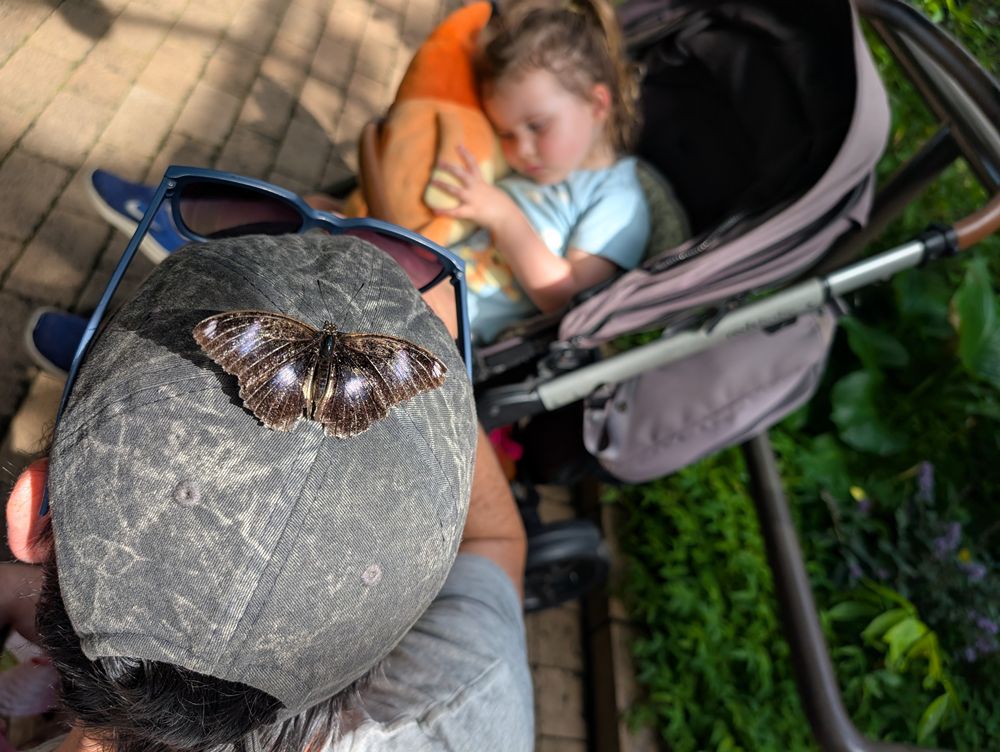
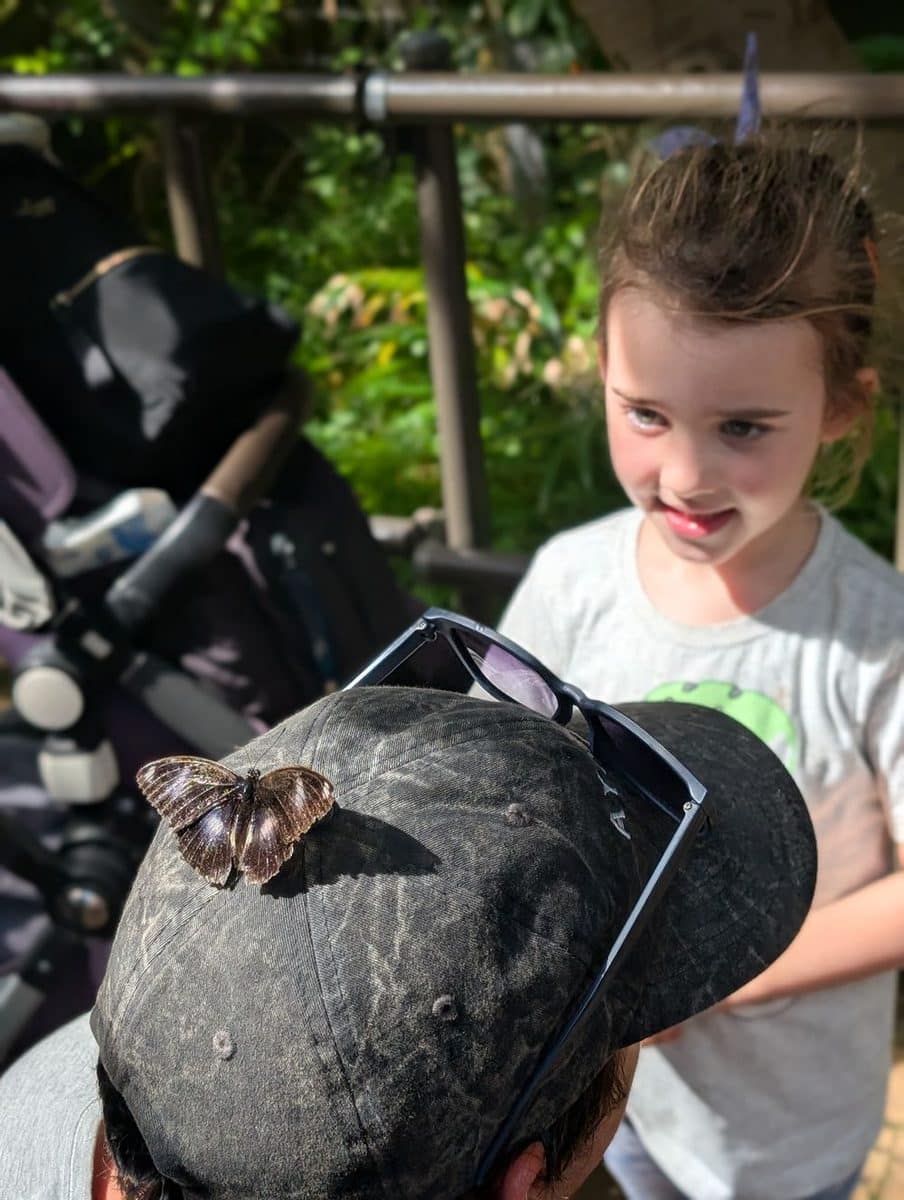
You walk through a lush tropical environment while hundreds of native butterflies fly freely around you — landing on shoulders, hovering at eye level, settling on the foliage on all sides.
It works at every age, from babies who track movement to older kids who try to identify the species. Check on arrival that it’s open — it occasionally closes for maintenance or animal welfare reasons.
8. Lemur Island
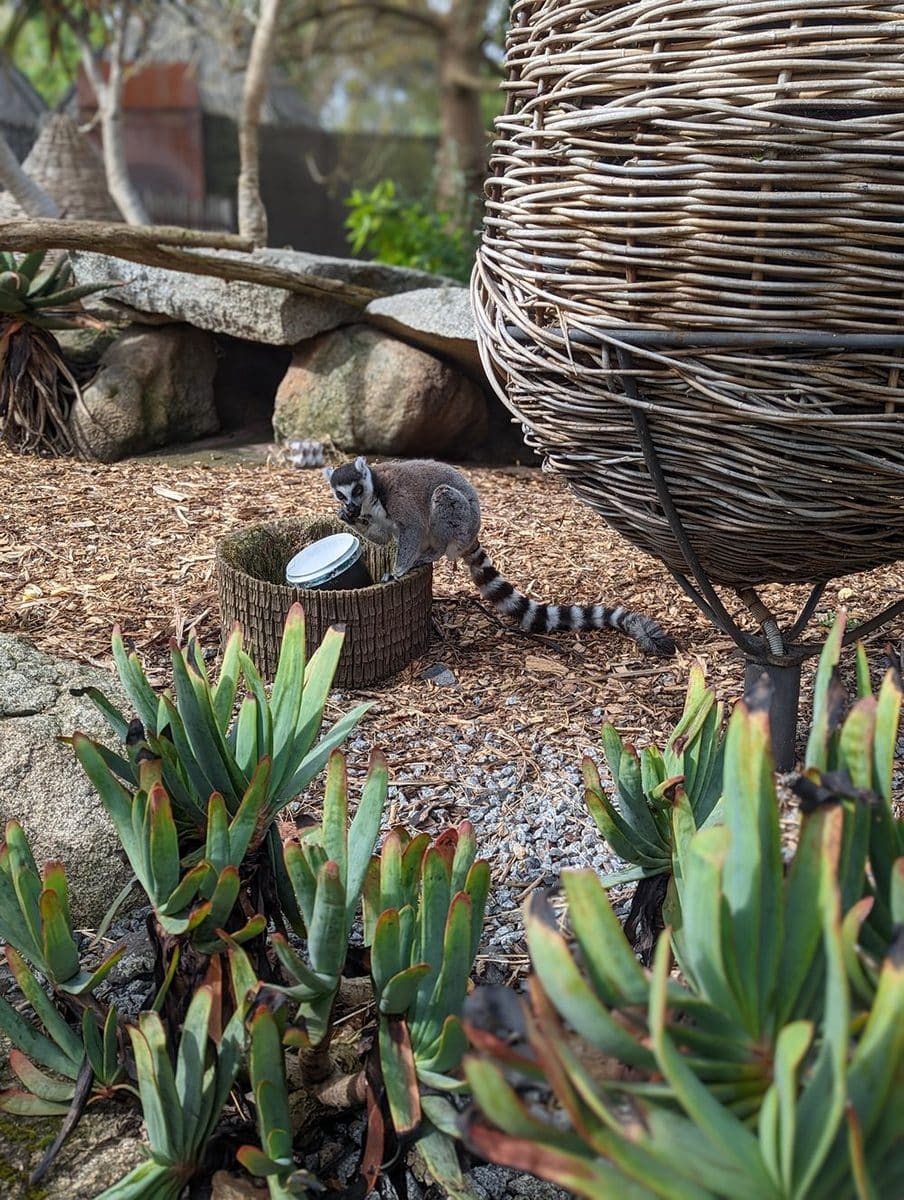
Lemur Island is a walk-through exhibit where you enter the lemurs’ territory through a rainforest tunnel and follow a boardwalk through their space.
The ring-tailed lemurs move freely around and above the path, which means close sightings are almost guaranteed.
It’s one of those exhibits that over-delivers on what the signage promises, and it’s usually a highlight for kids across the whole age range.
9. Gorilla Rainforest
The Gorilla Rainforest is worth allowing real time for rather than a quick pass.
The gorilla family group moves between indoor and outdoor areas, and the sightlines from different viewing points across the exhibit mean you’ll see different things depending on where you stand.
Some viewing spots look through glass at close range; others give a wider view of the social group. Older kids especially tend to stop and watch for longer than expected.
10. Growing Wild (ages 3–8)
Growing Wild is a world-first interactive area designed for primary-age kids, with meerkats living alongside the play structures so kids can observe animals while they scramble through tunnels and climb.
It’s a smart piece of design — genuinely engaging for kids who need to move while keeping them connected to the animals rather than pulling them away from the zoo experience.
11. Australian Bush
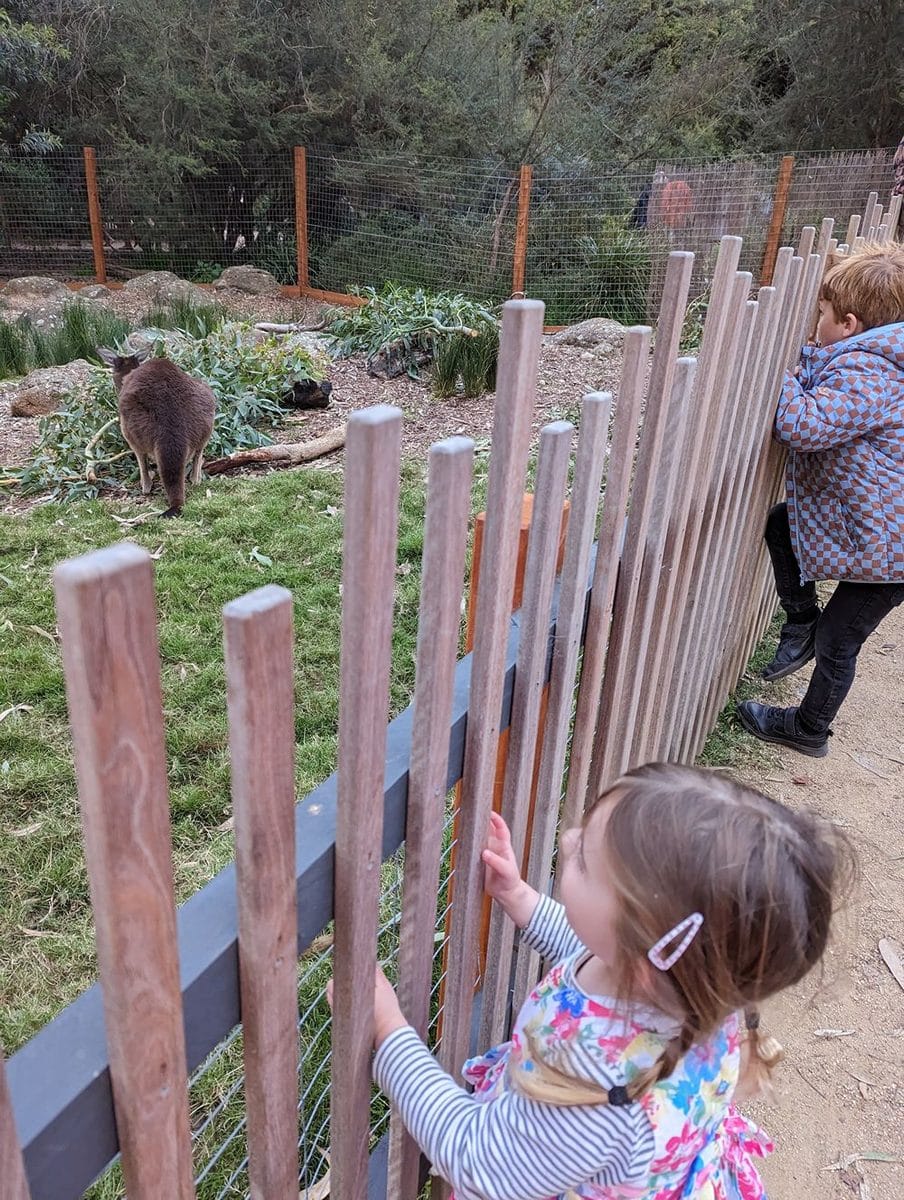
The Australian Bush section is where the free-roaming animals are — kangaroos, wallabies and emus moving through open space, with koalas in the trees above.
For younger kids in particular, being able to walk near animals that aren’t behind glass is a different quality of encounter from the rest of the zoo.
The nature play element of the section extends the time you can spend here without losing anyone’s interest.
12. Orangutan Sanctuary
The elevated boardwalk through the Orangutan Sanctuary is one of the zoo’s most impressive pieces of design.
You walk at orangutan level as the animals move through their treetop home above and alongside you.
The viewing is close and the experience is unhurried — there’s no crowd bottleneck at a single glass panel, just a wide boardwalk that allows everyone to find a spot and watch.
13. Wild Sea Penguin Colony
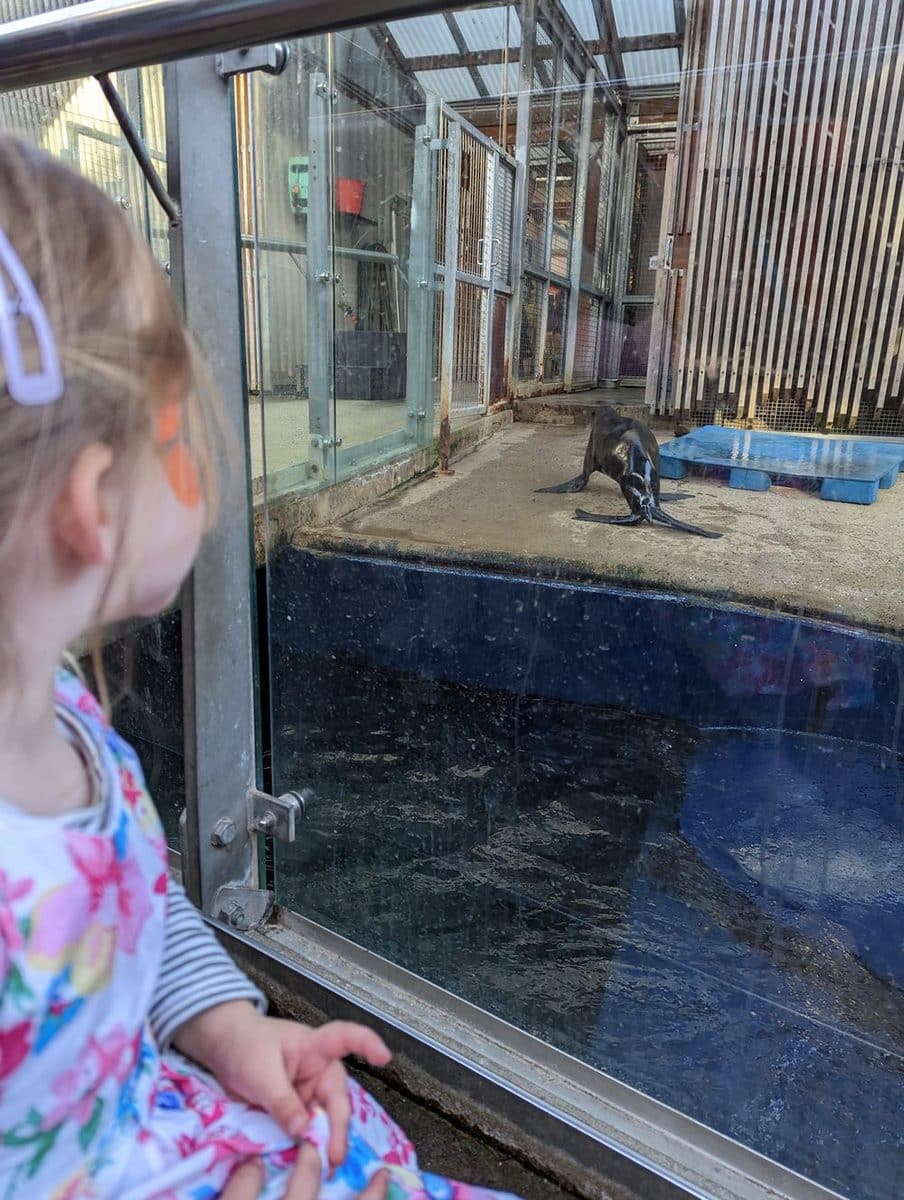
The penguin colony is a popular stop and works well for a wide age range — young kids respond to the penguins’ scale and movement, older kids get interested in the keeper talk if you time it right.
There’s both an above-water viewing area and an underwater viewing window, which gives two very different views of the same animals and keeps the exhibit interesting for longer.

Tips for visiting Melbourne Zoo with kids
14. Arrive at 9am
Animals are most active in the cooler morning hours, the zoo is quietest before 11am, and food outlets get busy from around 11am onwards.
Arriving at opening gives you the best animal sightings, the shortest queues and the most relaxed first few hours before the day fills up.
If you’re combining the zoo with Royal Park Nature Play, morning is the best time for the zoo and the playground works well as an afternoon wind-down.
15. Check the animal talk schedule at the entrance
Pick up the day’s keeper talk and feeding schedule as soon as you arrive and build your route around two or three that work for your kids’ ages and interests.
The talks are free, they happen throughout the day, and they’re one of the most engaging parts of the visit for school-aged kids.
The penguin talk and the tiger talk are consistently popular — if those animals are on your list, cross-reference the talk schedule with your preferred visiting order.
16. Allow at least four hours
A broad visit covering the main exhibits takes a minimum of four hours at a decent pace.
Allow a full day if you want to attend multiple keeper talks, spend real time at Growing Wild and Keeper Kids, and cover the whole site. The zoo is large enough that a rushed two-hour visit leaves most of it unseen.
17. Bring a packed lunch or snack stash
Food is available at multiple outlets across the zoo, but it’s expensive, and queues form from late morning. Bringing a packed lunch and snacks keeps the day moving, saves money, and means you’re not managing a hungry group while waiting for food during the most crowded part of the day.
There are picnic tables at multiple points around the zoo and in Royal Park.
If you prefer to buy food, there is quite good variety, including a few healthy options like sushi and sandwiches. We also like getting an ice cream or icy pole as a treat, especially if we packed a lunch from home.
18. Book tickets online
The zoo recommends online booking for non-members, and walk-in entry is card only. On busy days — particularly school holidays and long weekends — booking ahead guarantees entry and means you can go straight in rather than joining a queue. Children still require an online ticket on free-entry days.
19. Check the Butterfly House is open before you build your day around it
The Butterfly House occasionally closes for maintenance or animal welfare reasons without advance notice.
Check the zoo’s website or social media on the morning of your visit if it’s a priority for your group, so you’re not building an itinerary around it only to find it’s unavailable on the day.
20. The giraffe cafe smells like giraffes
The cafe near the giraffe enclosure is a popular lunch stop, but the smell from the enclosure carries strongly on warm days. It’s not unbearable, but it’s worth knowing before you commit to eating there. There are other food options around the zoo if you’d prefer.

Your questions answered
Are there elephants at Melbourne Zoo?
No — and this is the most important thing to know if you’re planning a visit based on memories of the zoo from a few years ago.
Melbourne Zoo’s Asian elephant herd moved to Werribee Open Range Zoo in February 2025, where they now live in a 21-hectare habitat called the Elephant Trail. If seeing elephants is a priority for your family, Werribee Open Range Zoo is where to go. The Melbourne Zoo site no longer has elephants in any form.
Is Melbourne Zoo pram-friendly?
Yes. Accessible paths connect all exhibits throughout the zoo and the layout works well with a pram. There are steeper paths in some sections, but flat alternatives exist for all major areas.
What’s the best age for Melbourne Zoo?
It works across the whole 0–12 range but in different ways. Babies and toddlers respond well to the Australian Bush free-roaming animals and the Butterfly House. The 3–8 age group gets the most from Growing Wild and Keeper Kids alongside the animals. School-aged kids (6–12) tend to engage most with the keeper talks, the gorillas and the more immersive exhibits like Lemur Island and the Orangutan Sanctuary.
Can we see the animals in winter?
Yes — most animals are visible year-round, though some prefer to stay indoors in cold weather. The gorillas, orangutans and big cats can be less active on very cold days. Arriving in the morning in winter still gives you the best chance of seeing active animals, as the cool of winter mornings is more manageable for the animals than the cool of a winter afternoon.

How to plan your Melbourne Zoo day
Arrive at 9am when the gates open, pick up the keeper talk schedule and head to the Butterfly House first while the crowds are light.
Move through the Gorilla Rainforest and the Orangutan Sanctuary before the morning gets warm, then circle through Lemur Island and Wild Sea before lunch.
If you have young kids, save Growing Wild and Keeper Kids for after lunch when they need a change of pace.
Australian Bush works well in the afternoon when the kangaroos are settled and easy to approach.
Royal Park Nature Play is directly outside the zoo for any energy that’s left after exit!

This post contains affiliate links. If you purchase using our links there is no extra cost to you and we earn a small commission that helps us keep Tot Hot or Not running.
